Elements of Great Packaging: Why Custom Mylar is Leading the Way in 2024
As of May 2024, the global Mylar packaging market stands at an impressive $2.4 billion, with projections estimating a slight increase to around $2.5 billion by 2025. You know what's crazy? Seven out of ten packaging purchases today hinge primarily on design. Between you and me, nothing sells a product quite like packaging that looks like it belongs on a premium shelf. For small businesses barely breaking through the noise, that kind of visual impact is priceless.
Custom Mylar packaging is becoming a cornerstone of successful packaging strategy because it hits all the right notes: durability, aesthetics, and affordability. But what makes it stand out beyond standard plastic or paper options? Let me break down the elements of great packaging using Mylar as the star.
Cost Breakdown and Timeline
Mylar, polyethylene terephthalate (PET) film coated with aluminum, is surprisingly affordable given its high barrier properties. Small businesses often worry about minimum order quantities (MOQs) but, thanks to suppliers like Brandmydispo, orders as low as 5,000 units are becoming standard, enough to test the market without overcommitting cash flow.
Production timelines typically range between 3-6 weeks, factoring in custom printing and finishing. Last March, I advised a local artisan who was thrilled their project shipped out in 4 weeks, shaving off nearly half the time compared to other suppliers within the market that promised 8 weeks. The trade-off? Complex designs with multiple colors can stretch the timeline, so it's vital to plan ahead.
Required Documentation Process
Documentation might sound boring, but it’s actually critical for smooth customs clearance, especially for food-grade products stored in Mylar. Certifications for food safety (like FDA compliance) and material origin can be surprisingly tricky to compile. I remember one small business owner delayed their launch because the supplier’s FDA documents were outdated by three months, a subtle but costly oversight.
Clear specs about product dimensions, sealing requirements, and desired finish (matte vs. glossy) work wonders. A packaging spec sheet up front saves rounds of back-and-forth emails.
Design Considerations for Maximum Impact
The design is a make-or-break element. You want something eye-catching that conveys your brand values but also suits your product’s lifestyle benefits. For example, health-conscious tea brands often go for pastel or natural tones paired with window patches on Mylar bags, creating trust through visibility. Meanwhile, indystar.com tech accessories might opt for sleek metallic finishes emphasizing innovation.
Honestly, a snag many small brands hit is underestimating how much the artwork file quality influences printing outcomes. Oddly enough, one of my clients supplied low-resolution images and was shocked when the print surfaced pixelation. Lesson learned: high-res, vector files aren’t optional; they’re fundamental.
In short, building a successful packaging strategy with Mylar means mastering a blend of cost planning, compliance checks, and creative boldness. This stuff doesn’t just wrap your product, it sells it.
What Makes a Brand Successful: Packaging’s Role Analyzed in Depth
Before diving into practical application, let's analyze what makes a brand successful in terms of packaging. The short answer: packaging that speaks louder than words. Studies indicate that 73% of consumers are influenced by packaging design when deciding to buy, with shelf standout and perceived product quality largely driven by packaging.
Brand Recognition and ConsistencyKeeping design elements consistent across lines is surprisingly powerful. Take Brandmydispo, for example, they build identifiable visuals that instantly signal quality. Their custom Mylar pouches use a signature satin finish and cohesive typography that customers recognize without reading the label in full. The caveat? Don’t sacrifice product differentiation within lines or you risk consumer confusion. Material and Functional Appeal
Mylar’s barrier protection, the way it keeps oxygen, moisture, and UV light out, makes a tangible difference. Oddly, some brands overlook this and opt for cheaper films that fail to preserve freshness, undercutting their own brand reputation. A small spice company I worked with abandoned cheap cellophane wraps after 6 months of customer complaints on stale product. The switch to Mylar packaging resulted in a 15% sales bump. Strategic Investment in Printing Technology
Digital and rotogravure printing techniques dominate Mylar packaging today. Briefly, digital printing offers agility and lower setup costs, perfect for testing new designs with smaller runs. Rotogravure, while pricier and slower, delivers unmatched precision and color vibrancy ideal for long-term SKU branding. For small businesses, choosing the right method depends on volume and design complexity. Warning: Rotogravure demands MOQs that could be prohibitive unless shared across SKUs.
The reality is: not every brand succeeds by throwing money at fancy packaging. The working formula involves identifying which element, material quality, design consistency, or printing tech, most supports your brand’s unique selling proposition.
Investment Requirements Compared
Packaging investments can feel overwhelming, especially for nascent brands balancing many priorities. Brandmydispo offers tiers: starter packages at roughly $0.50 per custom Mylar pouch versus high-end options about $1.50 each for premium metallic prints. Choosing correctly avoids overspending, don't waste cash on ultra-premium finishes unless your audience demands it.
Processing Times and Success Rates
Production success hinges on accurate specs and communication with suppliers. Historically, I’ve seen turnaround promises missed by over 30%, largely because clients delayed final artwork or swapped design choices mid-process. Small businesses that lock down their packaging specs early navigate smoother journeys.
you know,Packaging Best Practices: Practical Steps for Designing Custom Mylar Packaging
Designing custom Mylar packaging isn’t rocket science, but it does require methodical planning. Here’s a no-nonsense guide to getting it right.
First, nail down your product requirements. What size pouch do you need? What’s the shelf life? Will your product be stored in humid environments? Answers help determine Mylar film thickness and sealing type. For instance, I’ve worked with artisanal nut roasters who needed extra thick seals due to oil content that could compromise standard films.
Working with licensed agents or suppliers can make a huge difference. Brandmydispo’s team will review your files, give design advice, and confirm food-safety specs for items like coffee or powdered supplements. One of my earlier mistakes was skipping that step and ending up with Mylar bags that weren't FDA certified, a costly reprint followed.
Aside: When you’re juggling branding, certifications, and logistics, it’s easy to miss minor details like zipper strength or tear notches. These 'small' touchpoints influence customer experience as much as visual appeal.
Document Preparation Checklist
You’ll want to prepare:
- High-resolution logo and artwork, preferably vector files (.AI, .EPS) Product dimensions and packaging specs Food safety certifications, if applicable Desired finish and printing technique
Without this checklist, you risk delays or print errors that eat into tight budgets.
Working with Licensed Agents
Following the right channels doesn’t just ensure quality; it minimizes surprises. A small aqueous tea brand I know still waits to hear back from a different supplier after their form requirements weren't clear (the form was only in Greek, no less). Having someone knowledgeable during these interactions is worth the fee.
Timeline and Milestone Tracking
Plan timelines with a cushion. Ideally, set milestones every 7-10 days: file submission, proof approval, trial run, then full production. It’s tempting to rush, but trust me, rushing usually leads to costly reworks.
Packaging Best Practices In The Near Future: Trends Small Businesses Should Watch
Looking ahead, the packaging world isn’t standing still. Sustainable Mylar substitutes and smarter printing tech are emerging at a brisk pace. Here's what to watch out for through 2024 and 2025.
Sustainability is arguably the single biggest driver change agents will need to address. Brands like Brandmydispo started introducing recyclable Mylar blends crafted partly from post-consumer waste. However, recycling infrastructure still struggles globally; so, unless your customers demand zero waste packaging, avoid jumping too soon. It can backfire if your product isn’t perceived as truly eco-friendly.
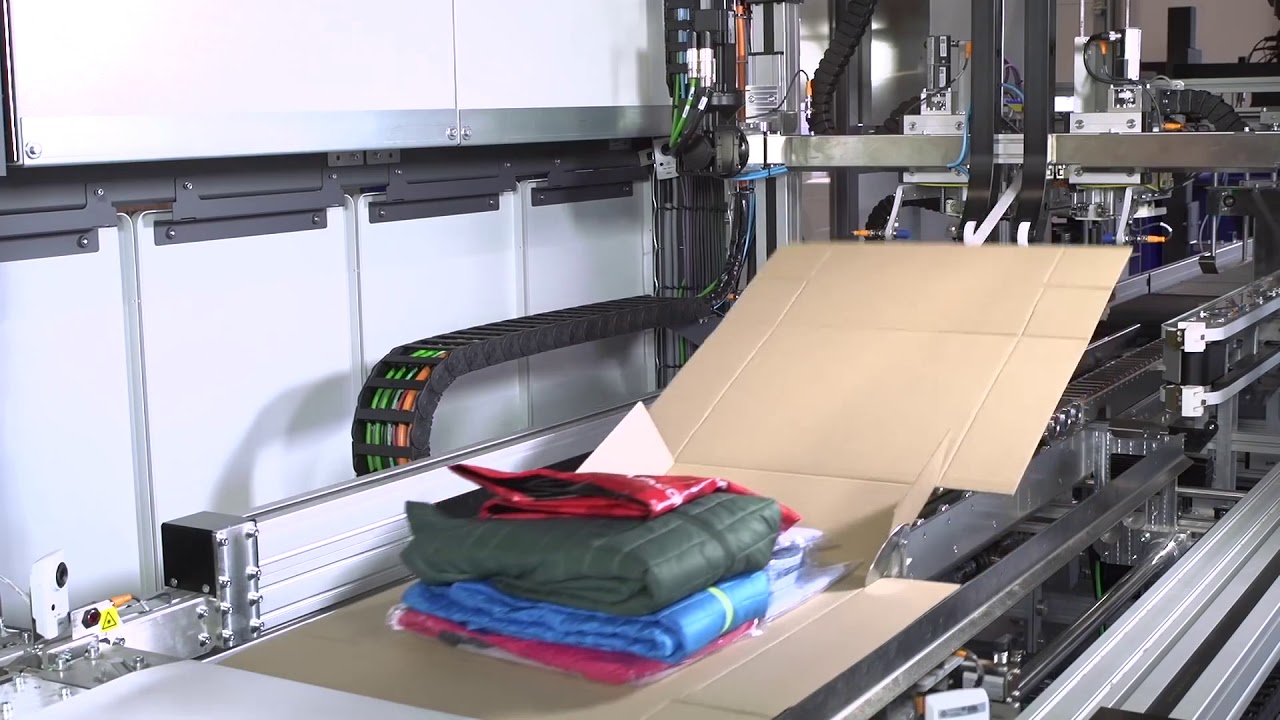
Another development is digital printing improvements reducing setup costs while boosting color fidelity. Smaller businesses can now run shorter Mylar print batches with art revisions on the fly, huge if your brand needs seasonal revamps. Don't expect the rotogravure quality just yet, but the gap is closing fast.
Last thing: regulatory oversight is tightening. 2024 brought stricter FDA scrutiny over packaging materials, especially for edible goods. I’ve seen last-minute mandates that delayed shipments by weeks, and the office closes at 2pm, no wiggle room. Staying informed and flexible could be your biggest asset.
2024-2025 Program Updates
Market leaders are prioritizing transparency and customizable options. Brandmydispo now offers virtual proofs with 3D packaging visualizations, a surprisingly useful tool for small business owners who aren’t packaging pros.
Tax Implications and Planning
While this might seem odd, packaging costs and import duties vary widely by state and product type. A food startup I assisted last year accidentally classified their Mylar film under a higher tariff bracket. A quick consultation with a customs broker prevented a hefty fine and saved thousands.

Understanding such nuances early can prevent surprises when your packaging order arrives or when products hit the distribution floor.
Here’s the takeaway: the packaging best practices that propel small brands forward are always evolving. However, focusing on quality materials, clear communication with vendors, and keeping an eye on upcoming trends will keep your brand competitive.
First, check your product’s packaging requirements against current regulations. Whatever you do, don’t order your Mylar packaging without verifying food-safety certifications and minimum order requirements, you could end up stuck with unusable inventory or compliance headaches mid-launch.